Want free plant(s) to grow food at home?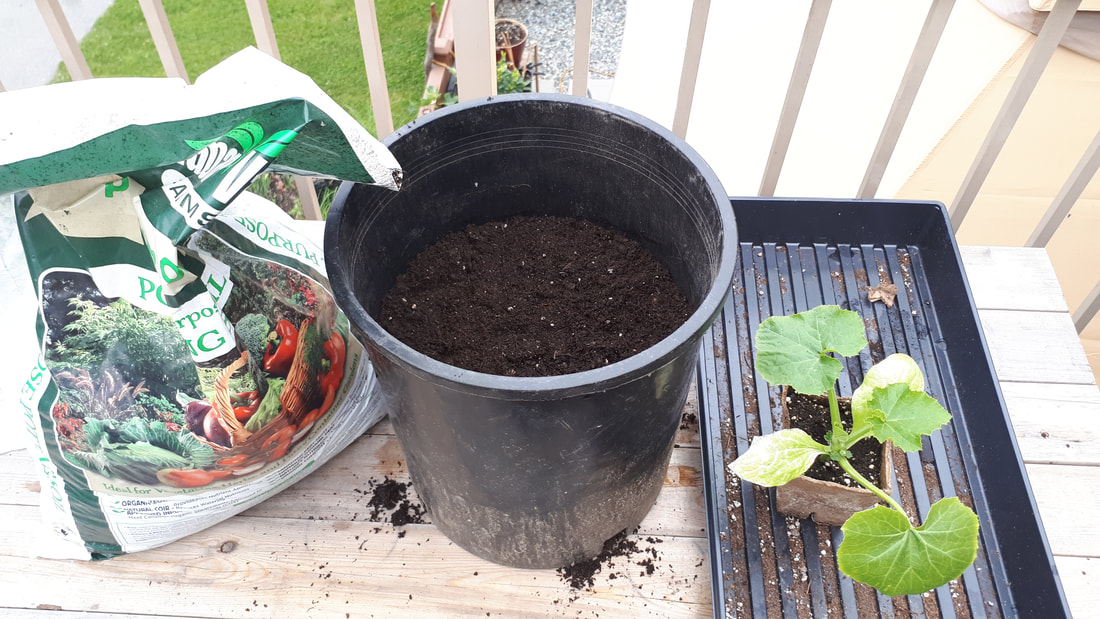 Lifecycles and the City of Victoria have teamed up to grow and give away thousands of seedlings to students and their families throughout the Greater Victoria School District. If your family needs soil, planters, tools and/or help planting your plants, folks from the "Get FED" project can come to your home to help you! 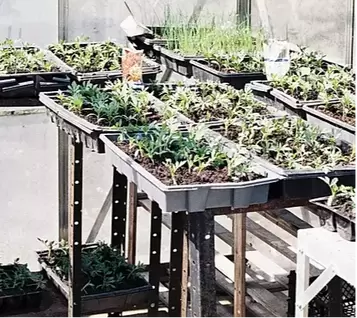 Option #1: You can reserve and pick up plants and instructions from Shoreline Middle School out of the four types of plants we have had delivered to our garden cage! Still available: Delicata Squash Chard - Eldorado Chard - Rainbow Kale - Red Russian Kale - Siberian Basil - Sweet Genovese Lettuce Mix These were available but have already been reserved: Cucumber: Blue Sticks "Sweetie" Tomatoes: Purple Sticks Black Cherry Tomatoes: no sticks Zucchini: no sticks 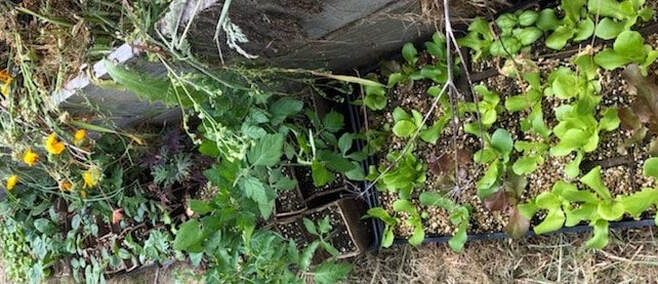 Option 2: You can pick out your own plants at certain times and certain places: 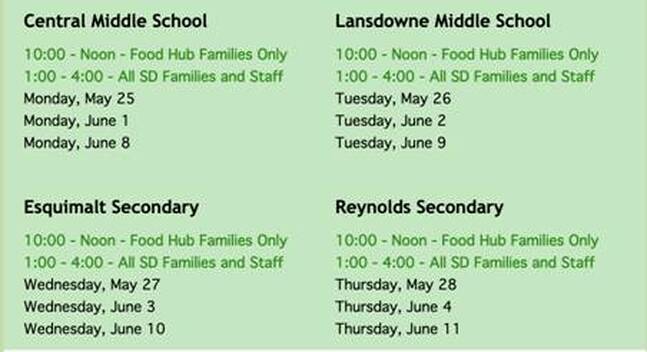 The plants available at these sites may include the following:
Cucumber Zucchini Delicata Squash Chard - Eldorado Chard - Rainbow Kale - Red Russian Kale - Siberian Basil - Sweet Genovese Tomatoes - Sweetie Cherry Tomatoes - Black Cherry Tomatoes - Elfin Cherry Tomatoes - Stupice Parsley - Italian Lettuce Mix To reserve plants to pick up from Shoreline, please email [email protected], by Sunday June 7 at 7pm, with the name and number of the plants you would like, as well as your name, phone number, and whether you will pick up your plant(s) on Monday, Tuesday or Wednesday. Any reserved plants not picked up by 5pm on Wednesday will be available for anyone to pick up on Thursday, June 11. Unreserved plants will be available throughout next week. For more info on these plants: https://lifecyclesproject.ca/get-growing/ Click here for how-to videos and kid-friendly instructions Are you not sure which plants you want or are able to grow at your place? Click on "read more" below to see CARE GUIDELINES for each type of plant. 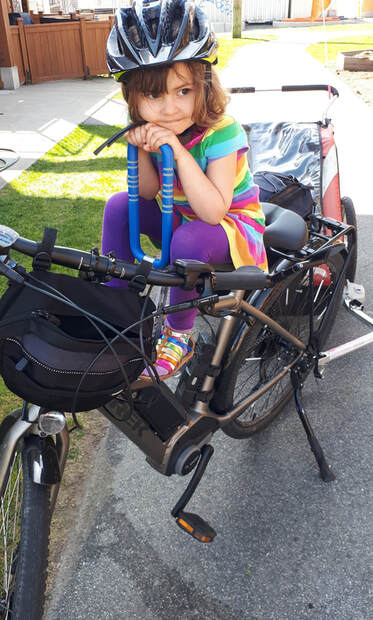 My family and I went for a bike ride the other day, our only destination in mind to meander along the Galloping Goose trail to see what kind of options are available for food these days. Bored with our own cooking and out of groceries, we picked up takeout (in compostable packaging) and then biked to Portage Park to enjoy the beach - using our physical distancing skills of course! A little dog named "Zuma" was not so respectful and came to check out our food, then moved on to something small and silver lying on the sand. It was a herring! We looked more closely at the surface of the water and realized that many of these small fish were flipping and skipping in and out of the waves. Have you ever seen or eaten Herring? Although it hasn't been a part of my regular diet, I have fond memories of eating them with Mr. Wilson. We have eaten herring eggs on kelp up in Prince Rupert among his Tsimshian family at his grandma's settlement feast, and pickled herring is a feature course at the annual Seafood Feast with his Hwlitsum family on Galiano Island every April. Herring are a key food source for many humans, chinook salmon, orcas and other species around the world! 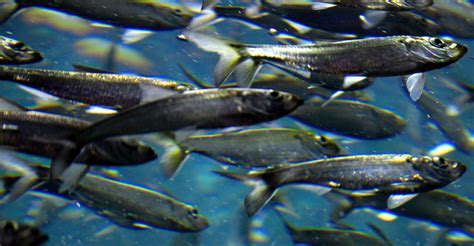 Here is an amazing video about the place many of you call home... but do you know it is called "Lekwungen" which means the "Place to Smoke Herring"? Find out why by learning from the relatives of many of Shoreline's students, such as Cheryl Bryce and Butch Dick: https://vimeo.com/275788251
My challenge for you this week is to watch this video, then see if a parent / guardian / other adult will bike, scooter or walk with you to one or some of the places shown in this video to look for herring. Send me an email, photo or video if you can! Bonus points if you can tell me why herring are critical to the survival of resident KELL̵OLEMEĆEN (killer whales / orca / blackfish) and / or whether the First Nations "spawn on kelp" method of harvesting herring eggs is more sustainable than the roe herring fishery designed for export. Email [email protected] for school credit! Həyšxʷq̓ə, Ms. Menzies 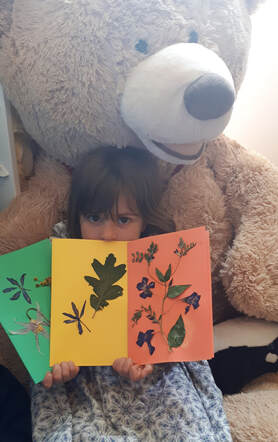 This week Shoreline teachers have to prepare for a professional development day so the experiential teachers agreed we wouldn't focus on making a new post - there is just so much to do! However, I though some of you might enjoy checking out someone else's blog - the Fresh Five by Fresh Roots.
Click on "read more" below to learn how to identify edible flowers, press flowers, find flower friends (bees), dissect a flower or roast cauliFLOWER to eat. I have reposted Kat's neat content here because Gladys and I enjoyed making pressed flower cards for all her grandmothers for Mother's day last week and thought you might as well. May lines up with PENAWEN, the moon of the camas (KLO,EL) harvest in the WSANEC calendar. If you want to press a camas flower, make sure you only pick up one that someone else has stepped on - we need to respect and care for the few remaining endangered camas meadows. Leave harvesting to the First Nations meadow keepers who have the right and responsibility to do so. Alternatively, if you decide to become a flower "ninja" this week (drop off a basket of flowers on someone's doorstep, as per Kat's instructions in her Fresh Five blog when you click on "read more" below), please email me a picture of your present for a friend or neighbour. Or you can check out my new website: www.restorativeducation.com and email me what you think of it! I'd love to hear from you if you have ever done any of the Sustainability activities - you'll get school credit for it! All the best to you and yours, Miz Menzies My family and I have been enjoying physically distant walks to gather our own groceries - but the first step is learning how to identify edible plants. If your family has a good data plan or has access to plants in an area with free wifi, see if they will try out the seek app by iNaturalist on a phone to find out which plants live around you, and whether they are safe or dangerous to touch and eat. This is just for fun - NEVER eat a plant unless given to you by an adult who knows what they are doing, and only with permission from your parent / guardian. However, I started being mentored in plant identification by First Nations Elders such as Della Rice and ethnobotanists through Girl Guides when I was 12 so you can start too! See how many plants you can collect with the seek app by iNaturalist, or take photos and email them to me with your best guess of what they are - I'll tell you if I think you are right!! 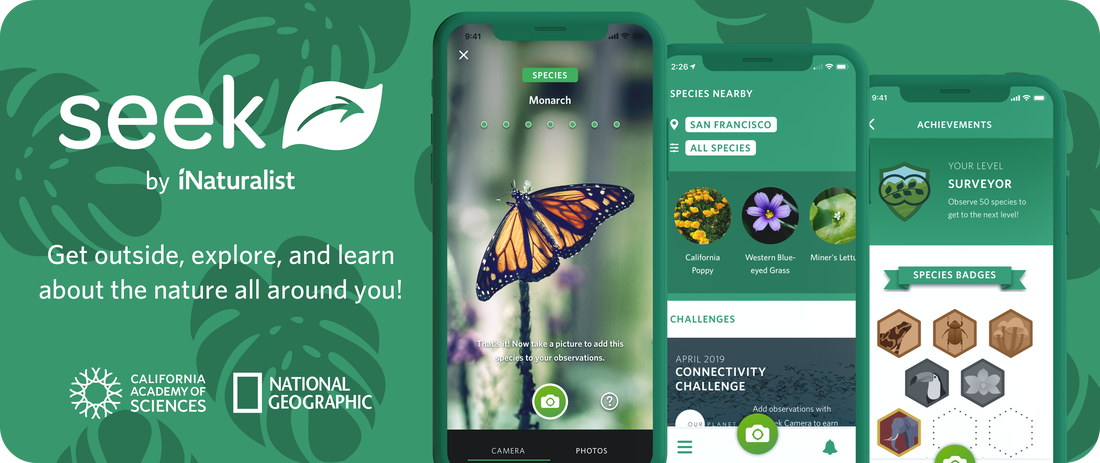 I have found 17 species so far and earned 4 badges - can you beat me?!
A fun new place to explore with your family is the Wark St. Commons Garden - just don't touch the playground. Happy hunting! Learn to identify native plants, remove invasive species that threaten them and harvest materials for crafting at the same time! What do English Ivy, Himalayan Blackberry, and Scotch Broom have in common? They are all plants from other countries that are taking over our yards, parks and forests. They make it impossible for native plants to get the water and sunlight they need and the only creatures that like them are rats! This week, my daughter and I went for a walk in our local camas meadow, pulled some ivy that is threatening it, and are making a basket with the ivy for berry picking. Want to join us in any of these activities? My First Nations family members have traditionally made baskets with Western Red Cedar (known as Xpey in Hul'q'umi'num and XP in SENĆOŦEN), but Cedar trees aren't growing so well these days because of climate change, so we wanted to give them a break and use invasive plants instead. We were inspired by this how-to video, but we are using ivy instead of trailing blackberry - its safer, easier and better for our ecosystem. Unlike blackberry, no tools or gloves are needed for working with Ivy! For those of you missing the feeling of doing something physical that makes your local community better, talk to your family about getting outside to wack some of these weeds. I promise you will feel so much better :)
For more videos, photos and instructions, click on "Read More" below :) Celebrate Earth Day every day with the Bee Game!Play games guilt free - tell your parents its your homework for Sustainability! Gladys and I celebrated Earth Day on April 22 by playing with this interactive Google Doodle. You guide your bee to pollinate flowers while learning fun facts about bees and our planet that they help to sustain. Did you know that bees pollinate 1 out of every 3 bites of food that you eat!? Created by the Honeybee Conservancy and Doodler Gerben Steenks, who said:
"We hope people understand the importance of bees to the earth and humanity. For those who want to take action, anyone can have a positive impact by growing pollen-producing plants!" This #EarthDay, as we stay at home, let’s take a moment to appreciate the smaller things in life that make a big difference – such as the hardworking bees, and the sweet things they do for us. Beyond learning about sustainability challenges through playing and making educational games, one thing you can do is encourage your family and friends to avoid using pesticides on their lawns, especially to kill dandelions - pesticides are killing bees and dandelions are an important early spring food source for them. Let’s 🐝 there for them! If you would like to check out more sustainability games, email [email protected] to join the "Gaming for Sustainability" google classroom. Running low on fresh veggies? Grow your own food from kitchen scraps! Has your family eaten any carrots, lettuce, celery, green onions, bok choy, or leeks recently? Did you know that you can take the ends from any of these (and more!) veggies and instead of putting them in the compost, you can put them in a container, add water, put them on your window sill and they will regrow into more veggies you can eat for free?! 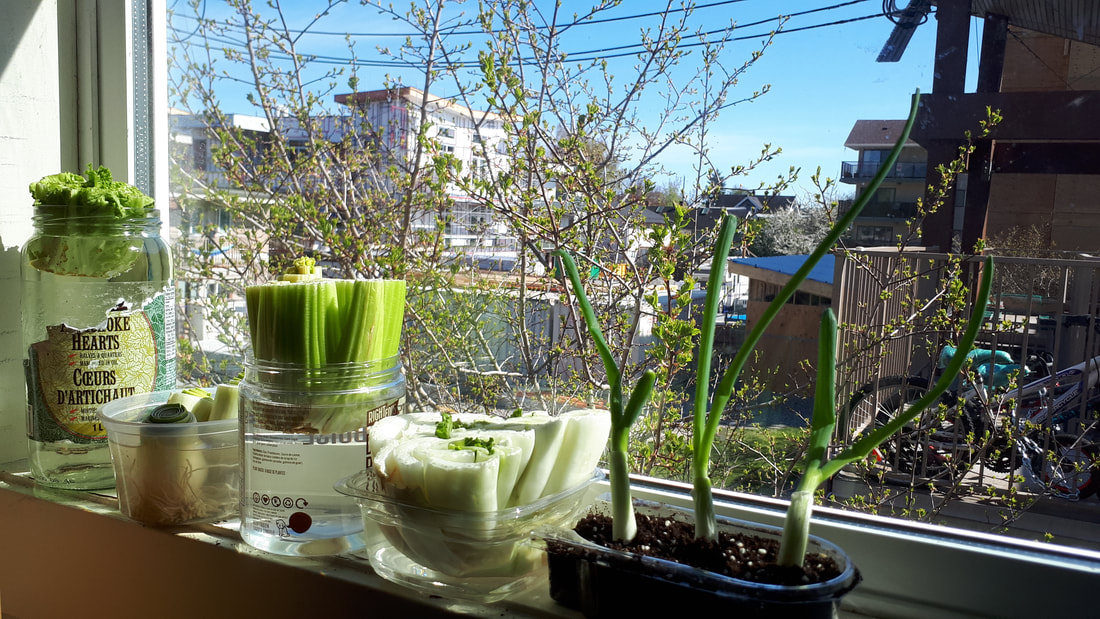 My daughter and I plopped these scallion bottoms (the white part of green onions) into a re-used plastic snack container with some soil in it a week ago and look at how much they have re-grown! (13-21 cm each plant) We can now cut off the edible green part again and they will keep regrowing for a never-ending supply of free veggies. Now that is sustainable food security ;) especially since we had the opportunity to buy certified organic produce to regrow from. We just started the lettuce, leeks, celery and bok choy 1 day ago and you can see that the middle of each has already started to pop up and regrow. We are going to try sweet potatoes, ginger, carrots, garlic, basil, lemongrass and mint next, with the instructions from this how-to video! 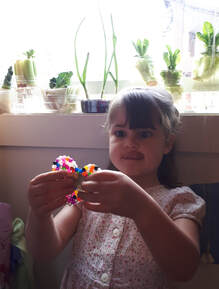 What you need:
containers from your family's recycling box a stump / end from a veggie water optional: toothpicks Click on "read more" for instructions... Update: look at how much our plants have grown!! Also Gladys made a heart for the window thanks to Ms. Mcrae's art challenge! If you would like to learn more about growing food, join the Shoreline Gardens Google Classroom by emailing [email protected]
Each week, Ms. Menzies will be posting fun sustainability challenges with videos, games and action ideas that students are invited to try or not as they see fit. For those who want to dive in deeper, there is a new Sustainability google classroom that you are welcome to join to share ideas and get mentorship on your passion projects to improve personal, family, community or even our whole world's ability to survive and thrive. Email Ms. Menzies and she will send you the details to join or ask your advisory teacher for the code. 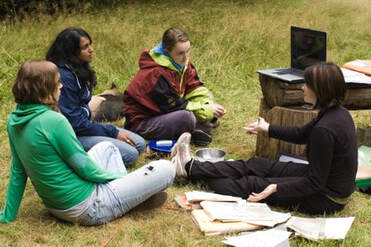 If you already started a passion project earlier in the year and are a member of one of the 10 passion project google classrooms such as Shoreline Gardens, Gaming for Sustainability, Upcycle Art, Wastebusters, Bike Club, Sustainable Design, Zombie Apocalypse or Felting for the Future, check it for updates!
Ms. Menzies will continue to monitor and post resources to these google classrooms as well. If you want to join one of these google classrooms, email [email protected] |
Ms. MenziesTeaches the Sustainability Exploratory class at Shoreline Middle School. 
Sustainability = the ability to survive and thrive... over time!
In this class we learn how to keep healthy through ensuring we have access to clean air, water, food, shelter, medicine, community, education, materials, energy, governance... ArchivesCategories |
 RSS Feed